
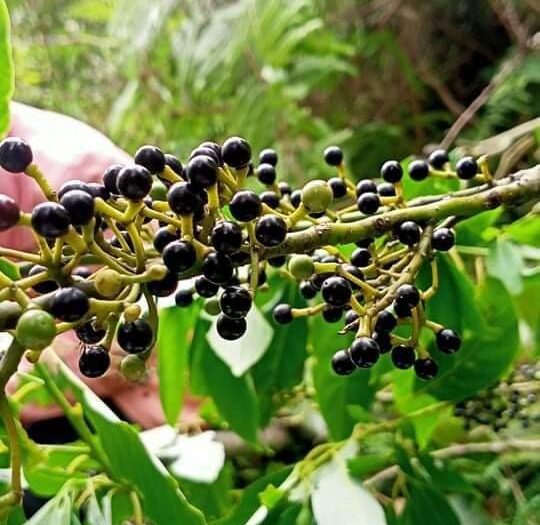
Known scientifically as Litsea cubeba, the small aromatic berry harvested from wild mountain trees across East and Southeast Asia goes by many names. In Taiwan, it is famously known by its Atayal Indigenous name, Maqaw (馬告). In Vietnam, it is recognized as Màng Tang (or Hạt Dổi Rừng / Mắc Khén cousin, depending on regional context).
While both countries harvest the exact same botanical species, differences in terroir, culinary philosophy, processing, and cultural heritage create distinct flavor profiles for Taiwanese Maqaw and Vietnamese Màng Tang.
1. Botanical Identity vs. Local Names
-
Botanical Name: Litsea cubeba (Lauraceae family)
-
Taiwanese Name: Maqaw (馬告) — borrowed from the Atayal language, meaning “ever-yielding” or “blessing.”
-
Vietnamese Name: Màng Tang (commonly used for essential oils and culinary uses) or localized wild mountain pepper terms in the northern highlands (e.g., Lao Cai, Ha Giang, and Lai Chau).
Both spices deliver a signature flavor punch: an intense burst of lemongrass, ginger, and black pepper with an uplifting citrus aroma driven by high natural levels of citral.
2. Terroir & Harvesting Conditions
| Feature | Taiwan (Maqaw) | Vietnam (Màng Tang) |
| Primary Region | Central and Northern Mountain Ranges (Wulai, Yilan, Hsinchu, Nantou) | Northern Highlands (Lao Cai, Ha Giang, Yen Bai, Lai Chau) |
| Elevation | High elevation (500m to 1,500m+) in temperate cloud forests | Mid-to-high elevation (300m to 1,200m) in sub-tropical mountain forests |
| Growth Habit | Foraged mostly wild from Indigenous ancestral lands | Foraged wild in highland forests; harvested for food & essential oil extraction |
The cooler, high-altitude cloud forest climate in Taiwan gives Taiwanese Maqaw a sharper, citrus-heavy aromatic top note. Vietnamese Màng Tang, growing in warmer sub-tropical terrain, often presents a slightly warmer, resinous woodiness alongside its lemongrass core.
3. Culinary Applications & Flavor Profile
Taiwan: The Indigenous Super-Spice
In Taiwan, Maqaw is celebrated as a pride of Atayal and Truku Indigenous culinary traditions.
-
Flavor Notes: Vibrant lemongrass, lemon verbena, fresh ginger, mild peppery bite.
-
Signature Dishes:
-
Maqaw Chicken Soup (馬告雞湯): A hearty, restorative broth infused with crushed fresh or dried berries.
-
Grilled Pork with Maqaw: Used as a dry rub or marinade for fatty pork belly.
-
Modern Fusion: Craft beers, artisan chocolates, sausages, and gelato infused with fresh Maqaw oil.
-
Vietnam: The Rustic Highland Herb
In Vietnam, Litsea cubeba sits alongside iconic spices like Mắc Khén (Zanthoxylum rhetsa) and Hạt Dổi in Northwest ethnic minority cuisine (Tay, Nung, H’Mong).
-
Flavor Notes: Pungent lemongrass, herbal eucalyptus, warm woody finish.
-
Signature Dishes:
-
Highland Dipping Salts (Chẩm Chéo variations): Ground with roasted chili, garlic, and wild herbs to pair with boiled meats or grilled fish.
-
Wild Game & Poultry Marinades: Crushed and rubbed onto roasted hill chicken or wild pork before charcoal grilling.
-
Herbal Teas & Infusions: Dried leaves and berries steeped to relieve digestive discomfort.
-
4. Processing & Commercial Availability
-
Taiwan: Highly commercialized as a specialty gourmet spice. Available whole dried, frozen fresh (preserving bright green citrus notes), or processed into infused salt, pepper blends, and essential oils. Packaging emphasizes Indigenous heritage branding (e.g., “Taiwan Mountain Pepper”).
-
Vietnam: Primarily harvested for two distinct streams:
-
Essential Oil Industry: Bulk harvesting of wild berries and leaves for Litsea cubeba oil extraction (rich in citral, exported globally for fragrances).
-
Artisanal Culinary Spice: Hand-collected by local communities, sun-dried, and sold in regional highland markets or specialty spice shops.
-