
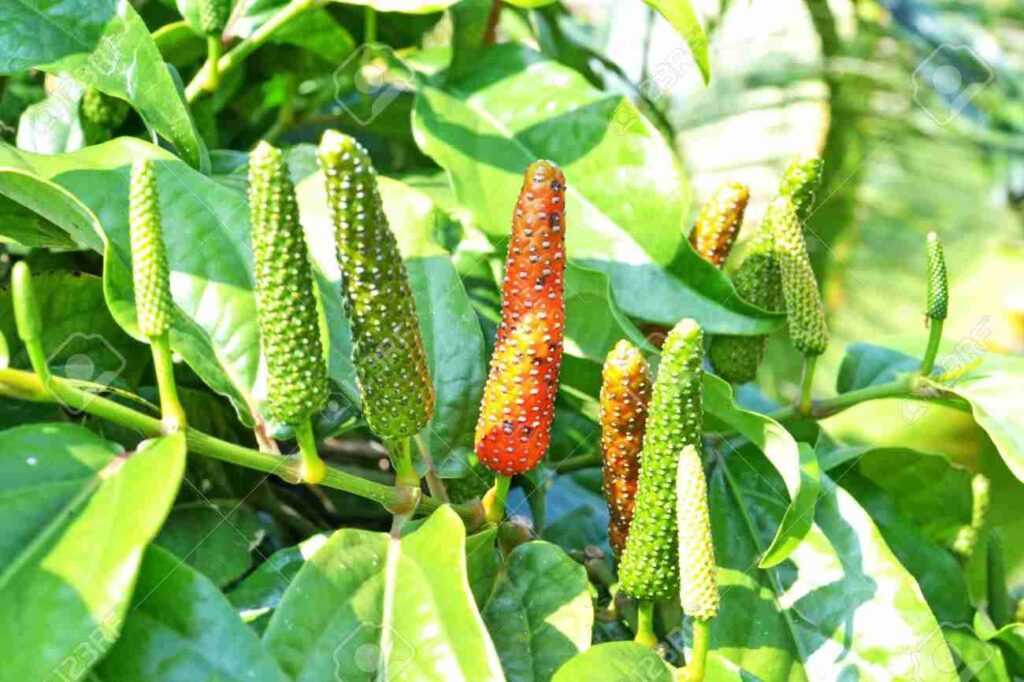
While round black peppercorns remain a household staple worldwide, Vietnamese Long Pepper (known locally as Tiêu Lốp, Tiêu Lốt, or Tiêu Dài) is an ancient spice experiencing a vibrant revival. Once prized along historical trade routes and preferred over common pepper in antiquity, this spike-shaped fruit is making a strong comeback in gourmet kitchens and traditional wellness practices across Vietnam.
1. What Makes Vietnamese Long Pepper Special?
Long pepper differs significantly from regular black pepper in its visual form, flavor profile, and bio-compounds:
-
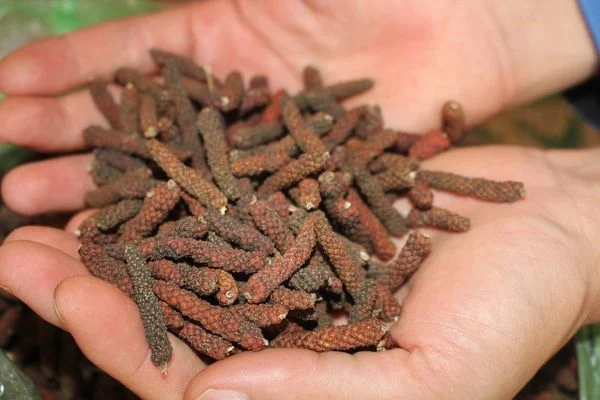
Striking Appearance: Unlike spherical black peppercorns, long pepper grows in slender, cylindrical spikes (2–4 cm in length). Composed of hundreds of tiny, tightly clustered fruits along a central axis, it resembles a mini pinecone or a elongated mulberry fruit.
-
Complex Flavor Spectrum: Long pepper is not just hot—it is multidimensional. It delivers an intense, creeping heat accompanied by sweet, earthy, and herbal undertones. The initial heat builds gradually on the palate, leaving a warm, soothing finish.
-
High Essential Oil & Piperine Content: Long pepper contains higher concentrations of piperine—the bioactive compound responsible for pungency—alongside aromatic essential oils and unique alkaloids like piperlongumine.
2. Cultivation in Vietnam
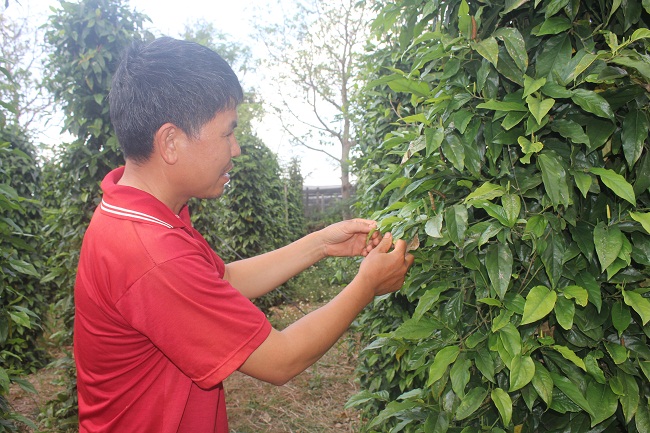
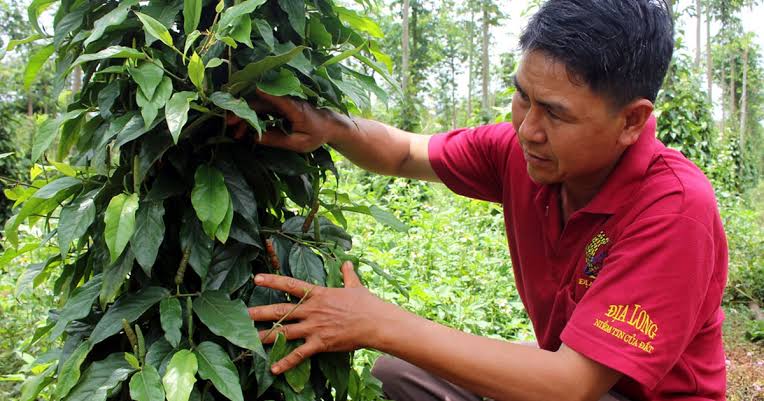
In Vietnam, long pepper vines thrive in warm, tropical, and humid environments, particularly in regions such as An Giang, Kiên Giang, Đồng Nai, Tây Ninh, and parts of the Central Highlands (Đắk Lắk).
-
Sustainable & Resilient Crop: The perennial climbing vine prefers partial shade and moisture-retentive soil. It exhibits strong natural resistance to many common agricultural pests compared to standard black pepper vines, making it a favorite for organic, low-pesticide farming.
-
Harvesting Process: Farmers harvest the spikes when they reach maturity (turning deep green to orange-red). They are then sun-dried or gently dehydrated, turning a dark brownish-black color packed with concentrated flavor.
3. Culinary Uses: A Chef’s Secret Weapon
In Vietnamese gastronomy, long pepper serves as a secret ingredient that elevates traditional dishes with its rich, aromatic profile:
-
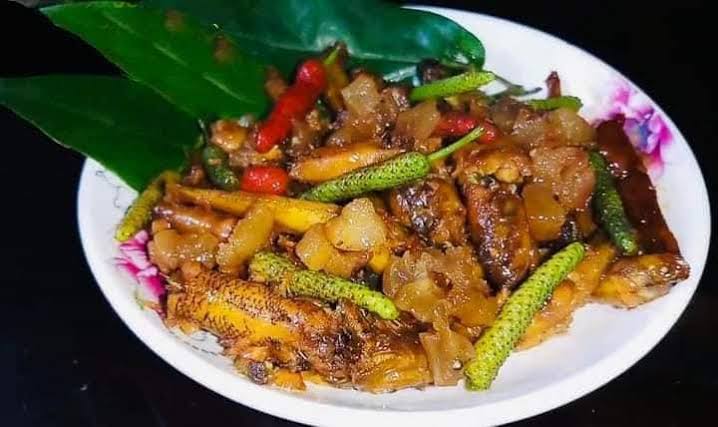
Slow-Simmered Stews & Marinades: Whole or cracked long pepper is added to braised fish (cá kho), beef stews, and roasted meats. It cuts through grease, neutralizes gamey or fishy odors, and infuses broth with deep warmth.
-
Pickled Long Pepper (Tiêu Lốp Ngâm Giấm): Fresh or dried spikes are pickled with garlic, chili, and rice vinegar. Served as a condiment alongside noodle soups (Pho, Bún), it provides a sharp, tangy bite that stimulates digestion.
-
Artisanal Dipping Salts: Coarsely ground roasted long pepper blended with sea salt, lime, and chili creates a savory dipping salt for grilled seafood, poached chicken, and local fruits.
4. Medicinal Value: Eastern & Western Perspectives
In Traditional Oriental Medicine (TCM) and Vietnamese folk healing, long pepper (termed Tất Bạt) is classified as a warm-natured herb targeting the spleen and stomach meridians.
| Health Area | Key Benefits |
| Digestive Wellness | Relieves bloating, gas, indigestion, and stomach discomfort from cold foods. |
| Respiratory Support | Acts as a natural expectorant to clear phlegm, ease coughs, and soothe throat irritations. |
| Bioavailability Booster | Piperine in long pepper enhances the absorption of vitamins and nutrients from other foods. |
| Metabolic & Anti-inflammatory | Modern studies highlight its potential in boosting metabolism, reducing joint inflammation, and supporting blood sugar management. |