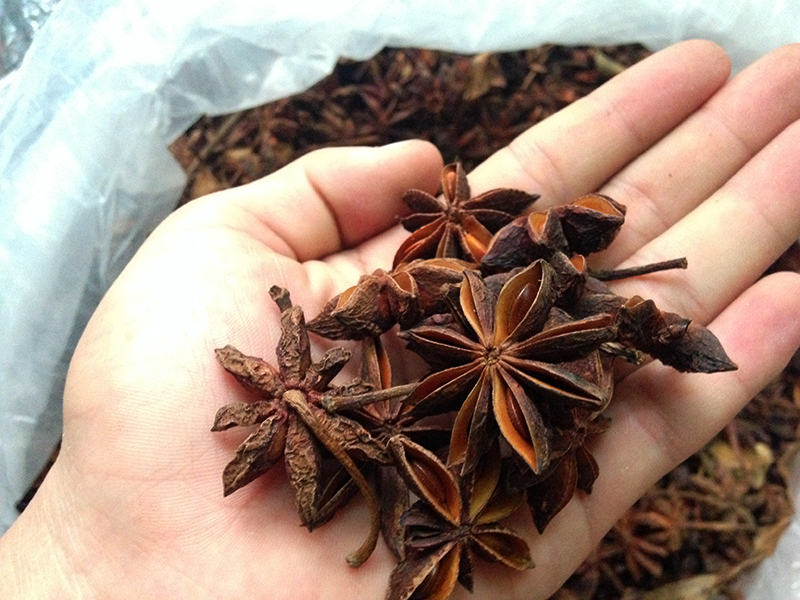
Standing as the world’s second-largest producer and exporter of star anise (Illicium verum), Vietnam supplies roughly a quarter of the global export market. Often called Vietnam’s “billion-petal” spice, Vietnamese star anise is prized by international spice blenders, pharmaceutical manufacturers, and flavor houses not merely for its volume, but for its high essential oil concentration, structural integrity, and distinct sweet-licorice aroma.
1. The Terroir Advantage: Lạng Sơn and the Northern Highlands
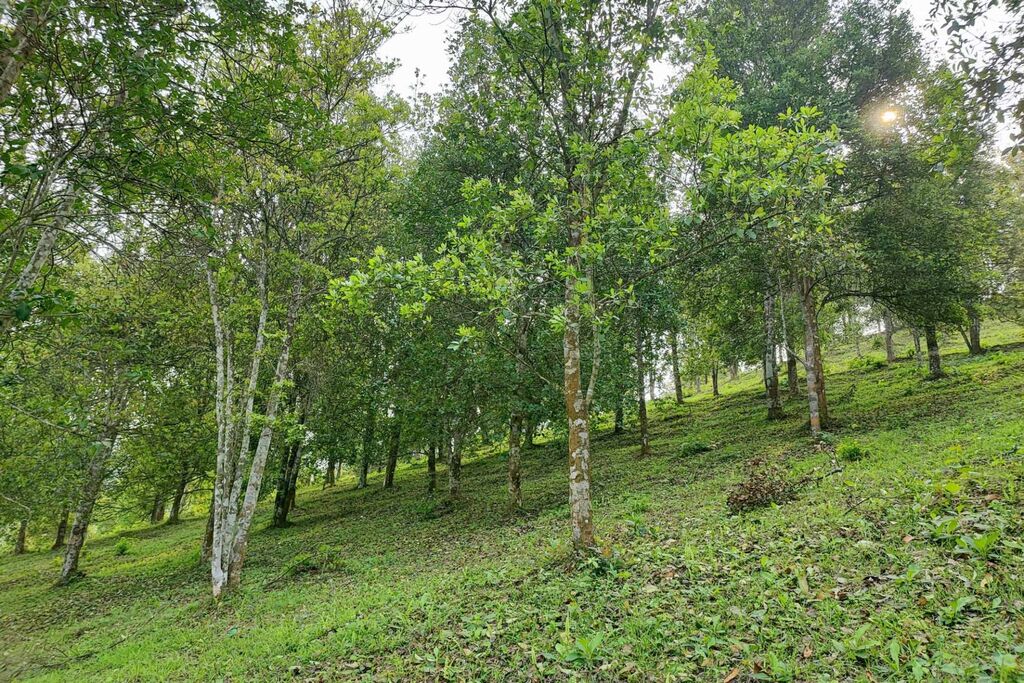
Star anise is notoriously selective about its environment. The tree requires a subtropical monsoon climate, high humidity, well-drained acidic mountain soil, and elevations between 300 and 700 meters above sea level.
Vietnam’s northern mountainous provinces—led overwhelmingly by Lạng Sơn (which accounts for roughly 40,000 of the country’s 55,000 hectares of star anise plantations) alongside Cao Bằng and Quảng Ninh—provide an ideal microclimate. Lạng Sơn star anise holds Geographical Indication (GI) protection, recognizing how the region’s cool winters and misty summers slow fruit maturation, allowing the pods to accumulate higher levels of trans-anethole—the primary aromatic compound responsible for star anise’s intense sweetness and medicinal value.
2. Harvest Cycles and Commercial Grading Standards
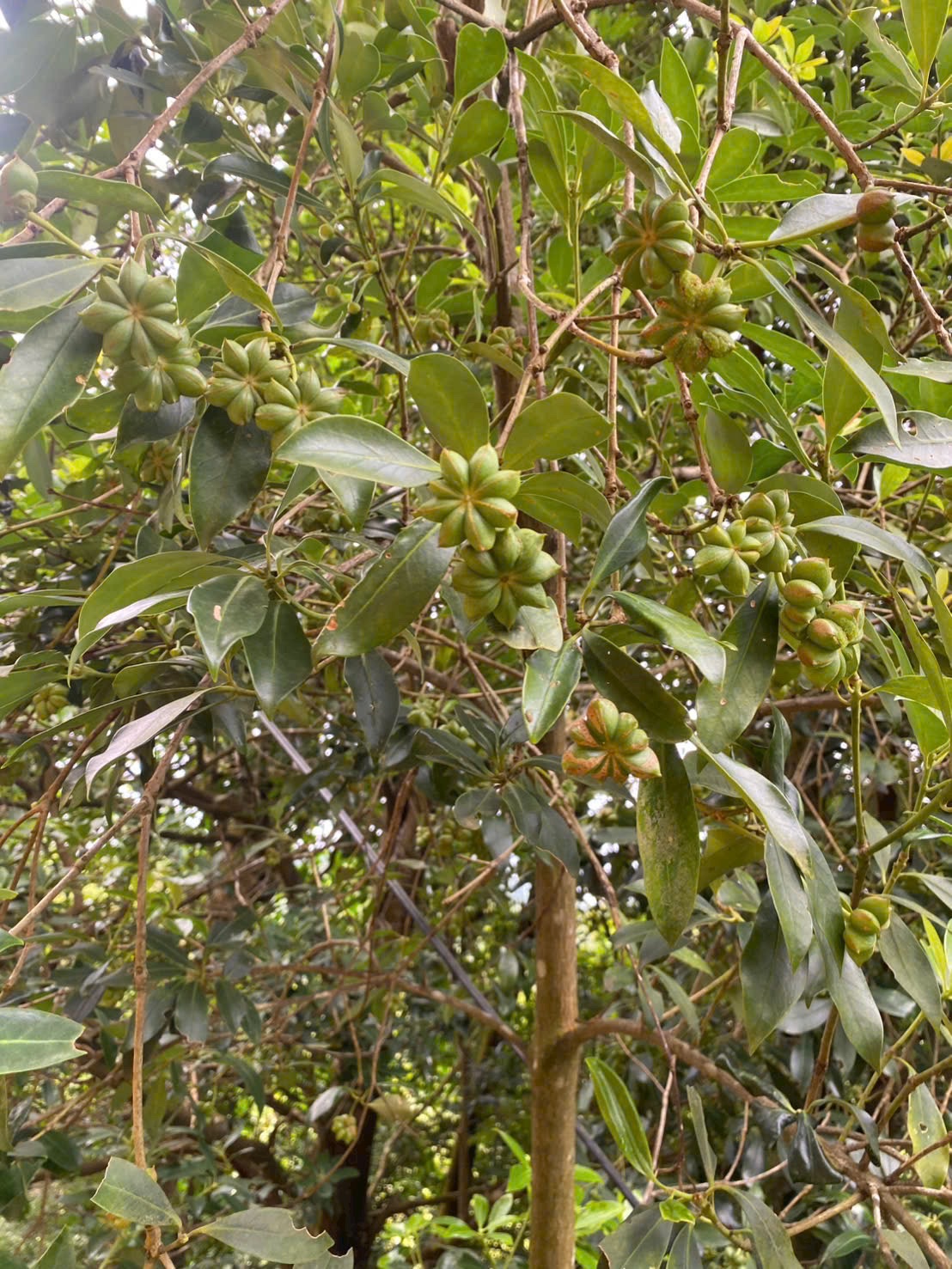
Unlike regions that rely on a single uniform crop, Vietnam produces two distinct seasonal harvests each year, allowing international buyers to source specifically for essential oil yield, visual aesthetics, or budget.
| Quality Metric / Attribute | Autumn Harvest (Vụ Mùa / Type I) | Spring Harvest (Vụ Chiêm / Type II) | Broken / Industrial Grade |
| Harvest Window | August – November | March – April | Year-round byproduct |
| Pod Diameter | > 2.5 cm (80%+ of lot) | 2.0 – 2.5 cm (85%+ of lot) | Non-uniform / fragmented |
| Essential Oil & Flavor | High oil content; bold, sweet, pungent | Moderate oil content; milder sweetness | High extraction efficiency for oil/powder |
| Visual Profile | Large, thick, uniform 8-pointed stars; lighter reddish-brown | Slender, darker, richer brown pods | Separated carpels and seeds |
| Export Moisture / Purity | ≤ 13% moisture; ≤ 1% admixture; ≤ 5% broken | ≤ 13% moisture; ≤ 1% admixture; ≤ 5% broken | ≤ 13.5% moisture; ≤ 2% admixture |
| Primary Applications | Whole spice retail, culinary blends, premium extraction | Whole spice wholesale, regional cuisine, tea blends | Essential oil distillation, ground spice, pharma |
3. Global Market Footprint and Buyer Preferences
With annual production hovering around 18,000 to 22,000 metric tons and exports generating $58 million to $75+ million annually, Vietnam’s star anise reaches distinct global tiers:
-
India (The Volume Anchor): Accounting for roughly 70% to 77% of Vietnam’s export volume, India relies heavily on Vietnamese star anise for garam masala blends, culinary distribution, and oleoresin extraction.
-
The United States & European Union (The Quality Tier): Shipments to the U.S. and European hubs like Germany and France represent the fastest-growing high-value segment. Buyers in these regions prioritize clean, whole Autumn-grade pods backed by HACCP, ISO 22000, or BRC certifications, strict pesticide residue compliance (MRLs), and low aflatoxin/moisture levels.
-
Pharmaceutical & Beverage Industries: Beyond the kitchen, high-anethole Vietnamese star anise oil is a foundational raw material for natural flavorings in spirits (such as pastis and liqueurs), oral care products, and shikimic acid extraction used in antiviral pharmaceuticals.
4. Competitive Edge vs. Challenges on the World Stage
Vietnam’s primary global competitor is China, which holds the #1 spot in total production. However, Vietnamese star anise frequently earns a competitive edge among international importers for three reasons:
-
Competitive Pricing with High Oil Yield: Lower production and labor costs in northern Vietnam allow exporters to offer high-anethole pods at attractive price points compared to Chinese equivalents.
-
Authentic Illicium verum Integrity: International buyers remain vigilant against adulteration with toxic Japanese star anise (Illicium anisatum). Established Vietnamese supply chains in Lạng Sơn provide clear botanical traceability.
-
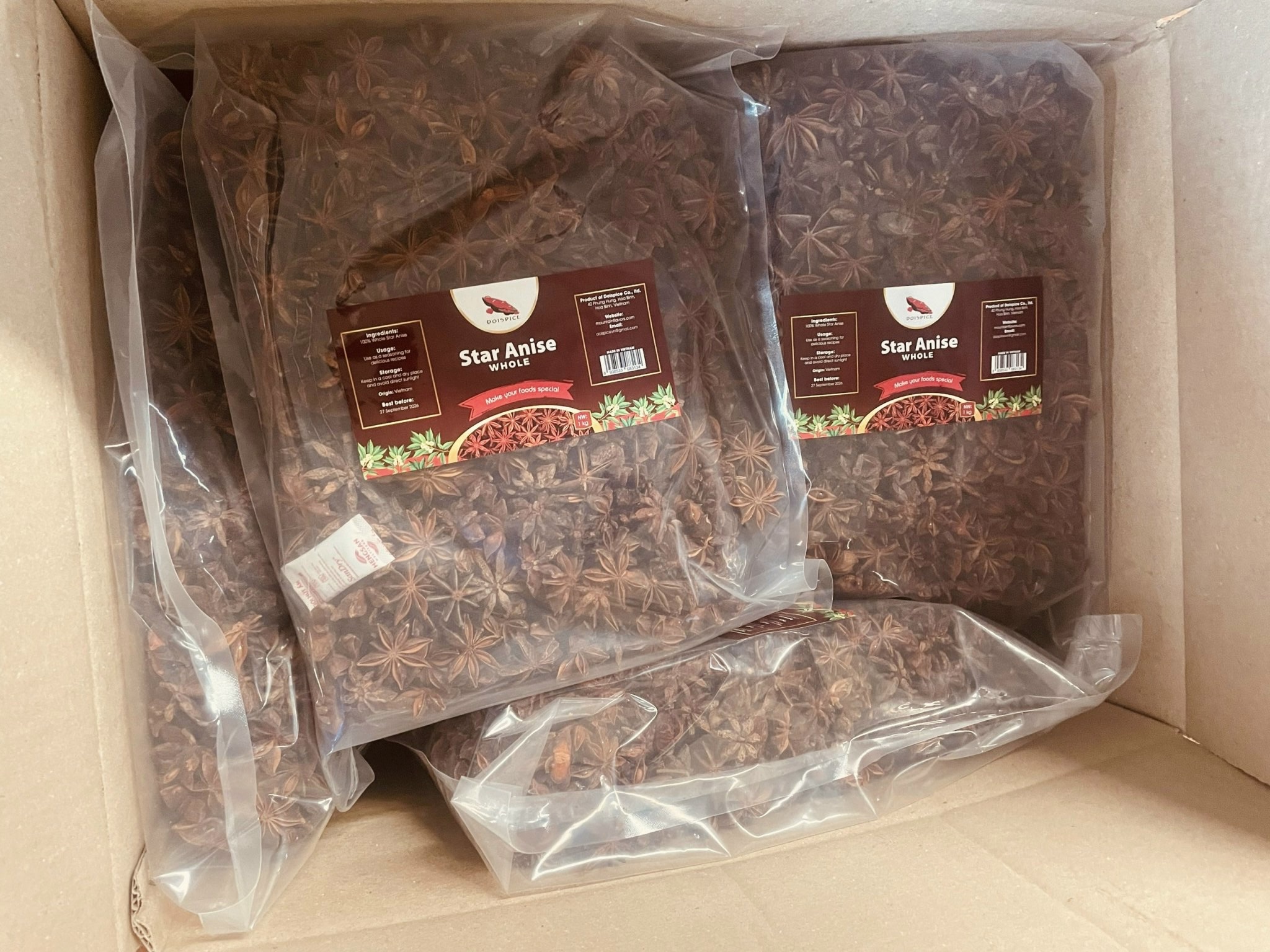
Shift Toward Value-Added Processing: Leading Vietnamese processors are moving beyond raw bulk bags to offer steam-sterilized pods, finely milled powders, herbal teas, and high-purity essential oils.
The primary hurdle remaining for the industry is post-harvest consistency. Because star anise is harvested in humid highland environments, traditional sun-drying can lead to uneven moisture levels if weather turns wet. Exporters investing in controlled drying facilities, optical sorting, and farm-level pesticide management are rapidly capturing the highest-margin contracts in North America and Europe.