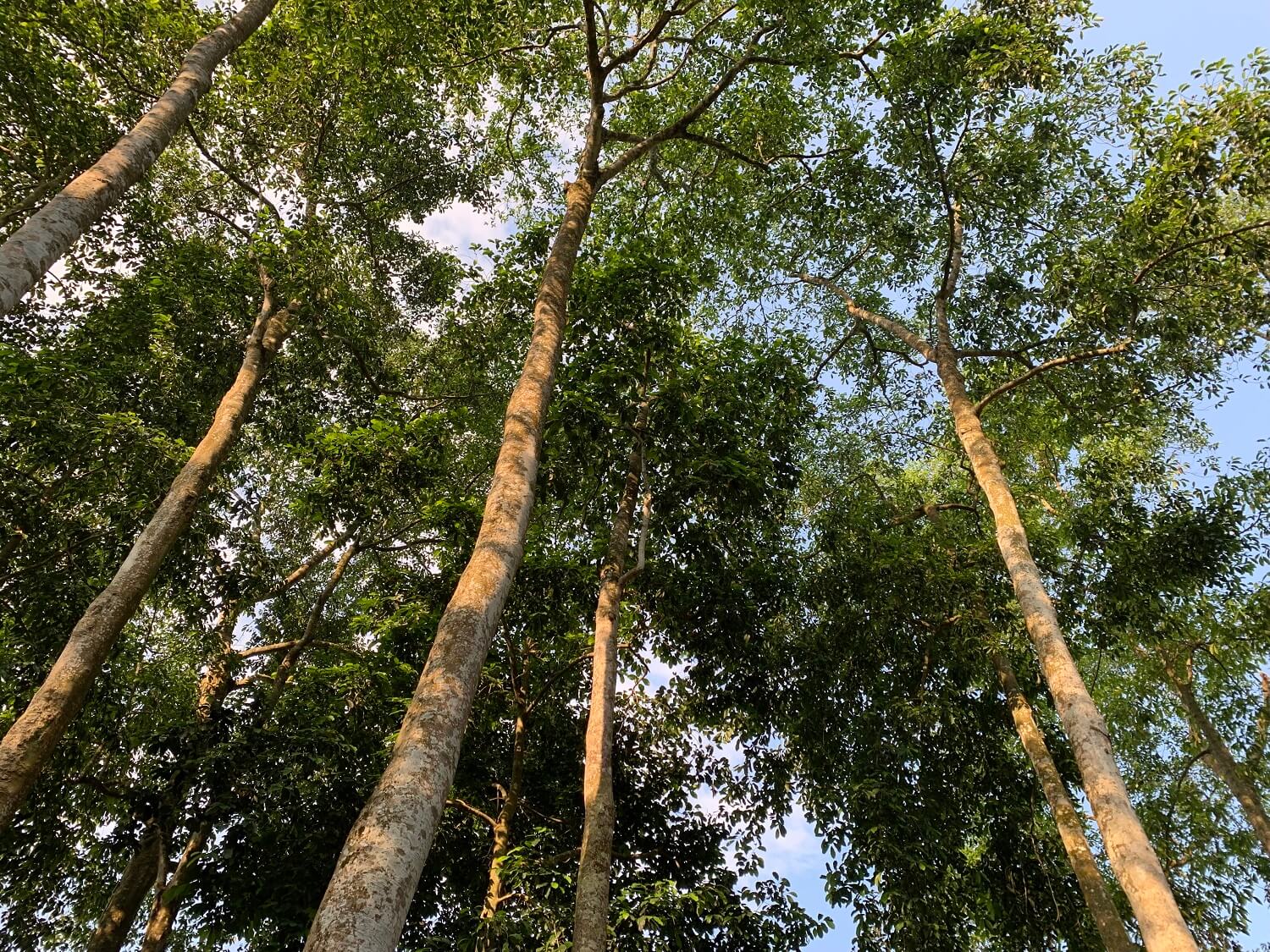
Deep in the misty, old-growth forests of Northwest Vietnam—spanning provinces like Hòa Bình, Sơn La, Điện Biên, and Tuyên Quang—grows a towering magnolia tree (Michelia tonkinensis or Magnolia balansae) that produces one of the world’s most prized culinary secrets. Known locally as hạt dổi (Doi seeds) and revered across the spice trade as “Northwest Black Gold” (vàng đen Tây Bắc), these small, dark, oil-rich seeds are transitioning from an indigenous mountain staple into a sought-after boutique spice in international kitchens.
Botanical Profile & Sensory Signature
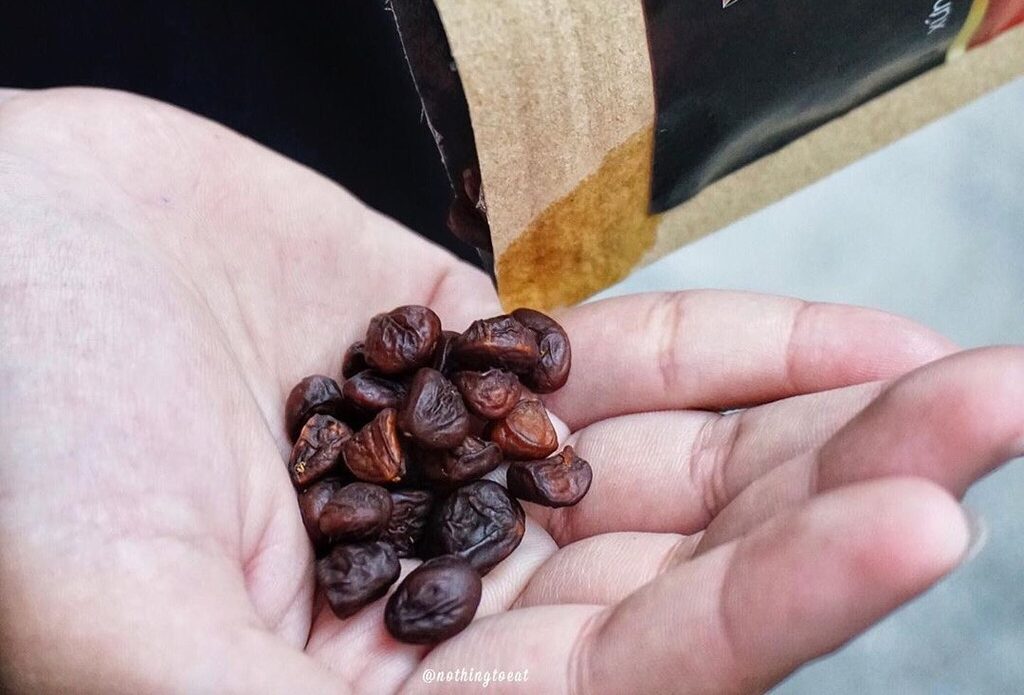
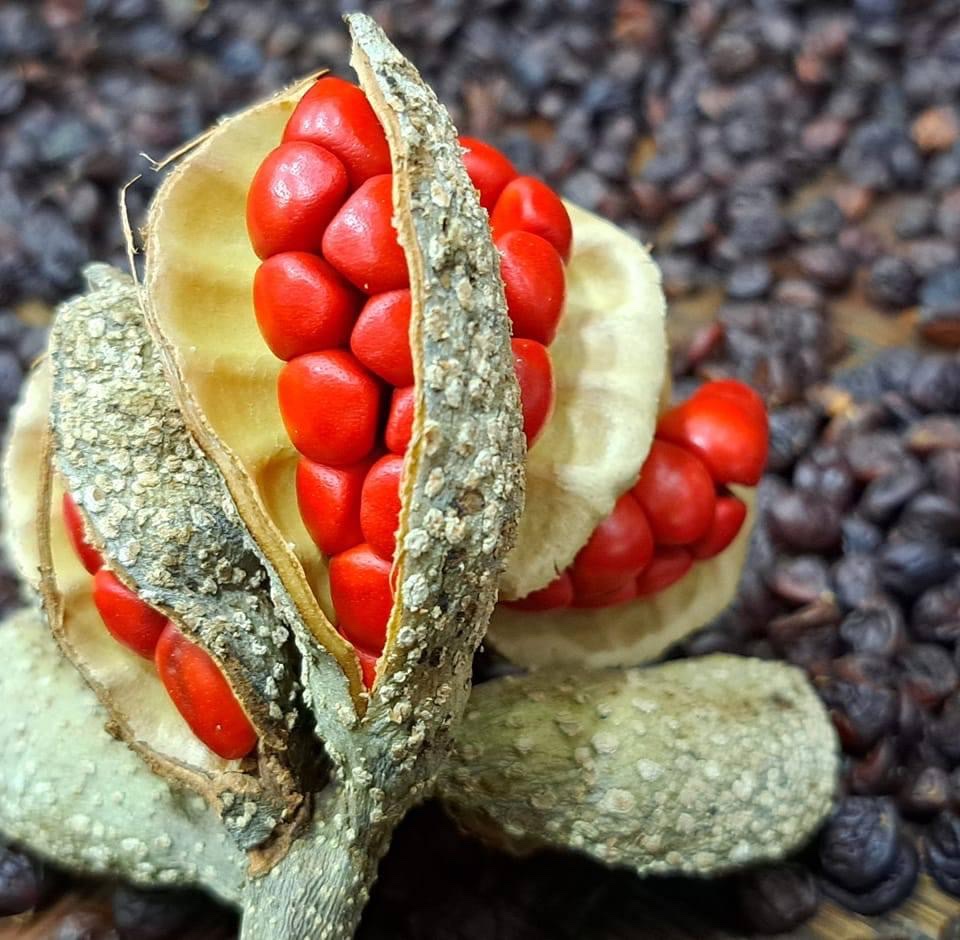
Unlike standard black pepper or star anise, Doi seeds occupy an aromatic category entirely their own. Harvested once a year between September and November, the bright red fresh seeds darken and wrinkle as they are sun-dried or wood-kiln dried, concentrating their volatile essential oils.
From a spice-blending perspective, culinary-grade dổi nếp (sticky-variety Doi seeds from mature trees over 7 to 30 years old) delivers a complex, multi-layered bouquet:
-
Top notes: Bright, resinous citrus and wild forest pine.
-
Heart notes: Warm nutmeg, toasted hazelnut, and subtle clove.
-
Base notes: A gentle, lingering warmth on the palate without the aggressive capsaicin burn of chili or the numbing tingle of Sichuan pepper.
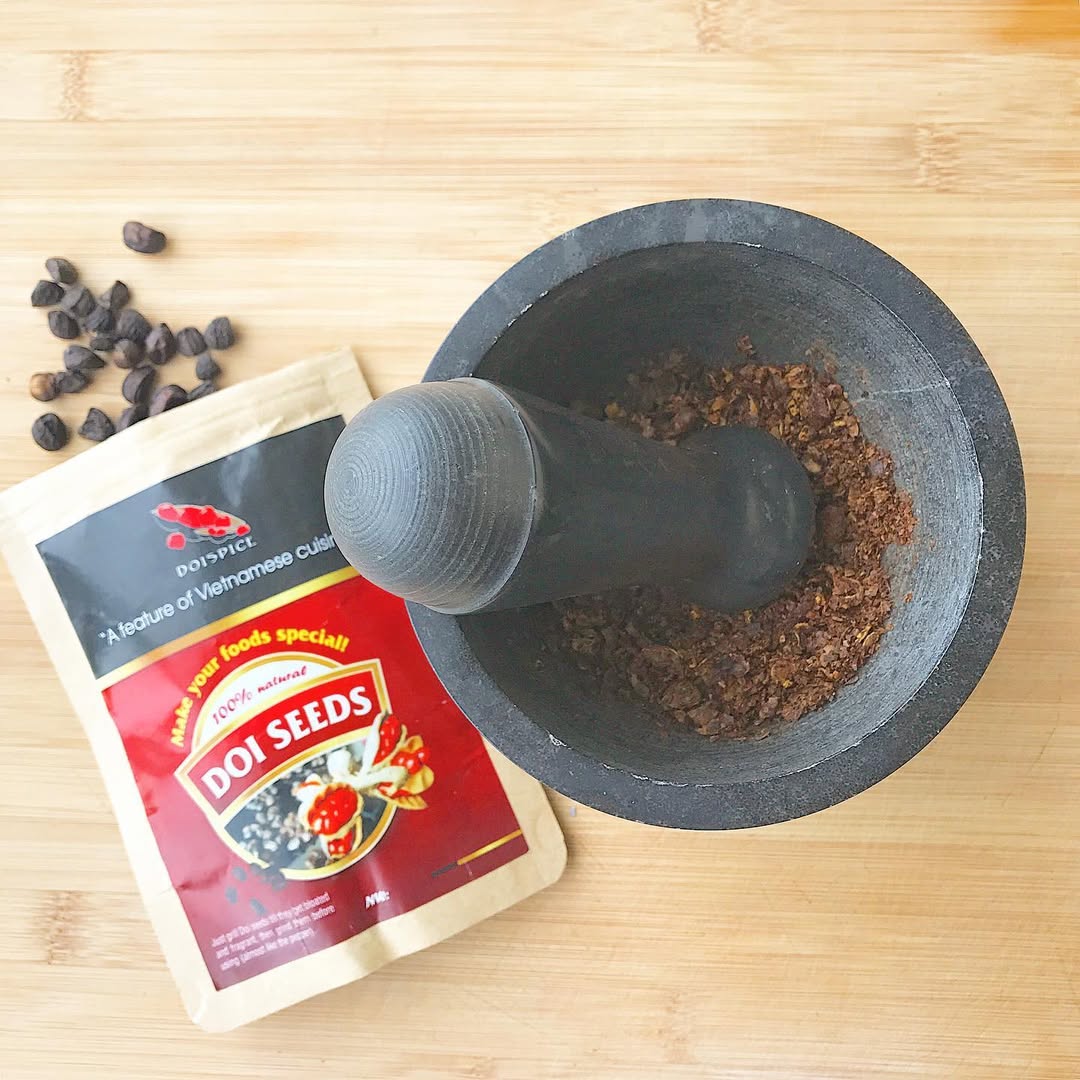
Spice Expert’s Golden Rule: Never use Doi seeds raw or pre-ground. To unlock their essential oils, hold whole seeds over open charcoal embers (or dry-toast in a skillet over low heat) for 15–30 seconds until they puff up and release a heady aroma, then crush them immediately while hot. Over-roasting turns the oils bitter, and using more than 5–7 seeds per dish can overwhelm delicate ingredients.
Traditional Mastery in Vietnam
In Vietnam, hạt dổi is the soul of Thái, Mường, and Dao ethnic gastronomy. Rather than acting as a background filler, it is treated as a high-impact finishing or marinating spice:
-
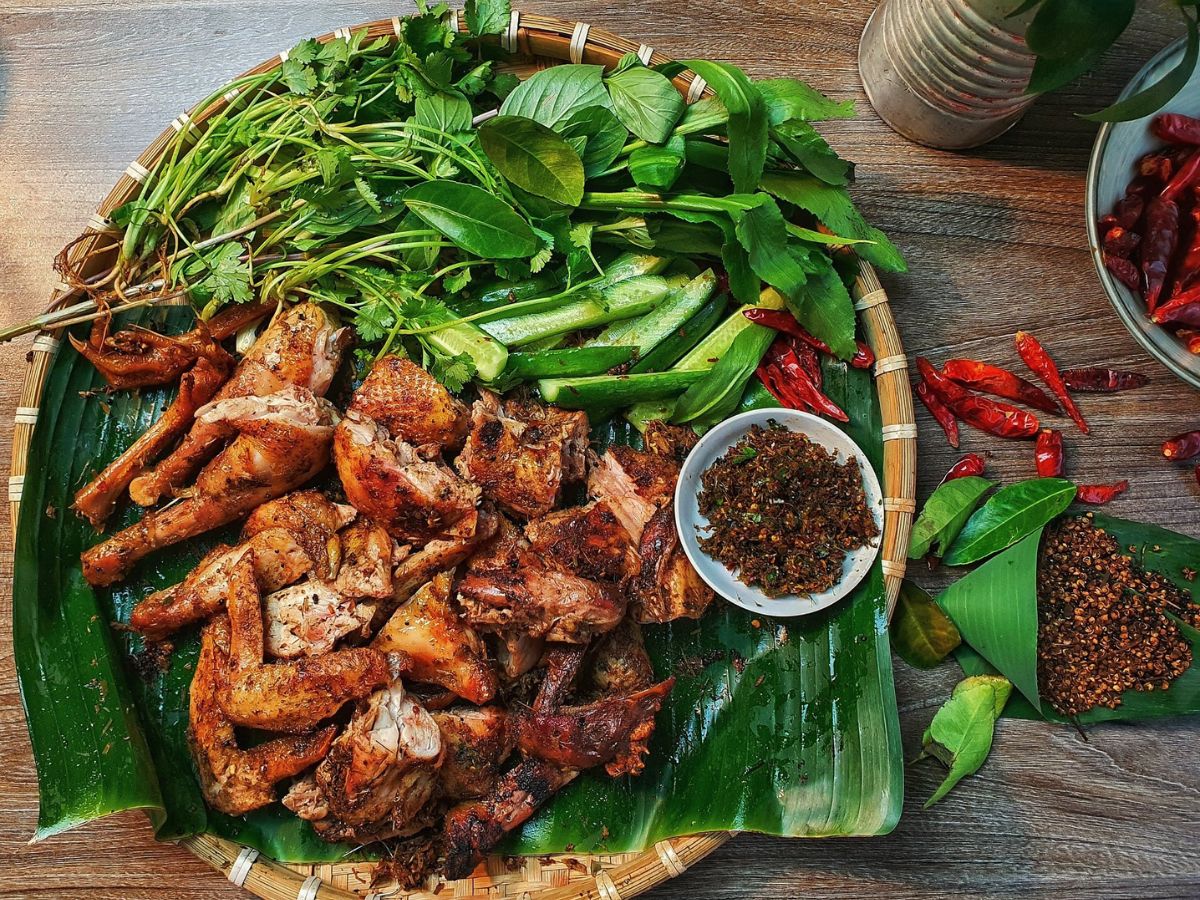
The Iconic Duo (Hạt Dổi & Mắc Khén): Doi seeds are almost always paired with mắc khén (wild forest prickly ash). While mắc khén brings bright, citrusy, tongue-tingling sharpness, hạt dổi provides deep, nutty warmth and bass-note richness. Together, they form the backbone of Chẩm Chéo, Northwest Vietnam’s signature dipping sauce blended with roasted chilies, garlic, ginger, and fresh herbs.
-
Smoked & Grilled Meats: Crushed Doi seeds are essential in marinades for thịt trâu gác bếp (kitchen-smoked water buffalo jerky), grilled hill chicken (gà nướng), and river fish (pa pỉnh tộp), cutting through gamey richness and enhancing smoky char.
-
Digestive & Medicinal Pairing: In traditional Vietnamese culinary wisdom, Doi seeds are dusted over rich, cold, or high-protein dishes—such as blood pudding (tiết canh), boiled pork, or mountain snails—because their essential oils stimulate digestion and prevent stomach discomfort.
Global Applications: How International Chefs Use Doi Seeds
As specialty spice importers in North America and Europe increasingly source single-origin Vietnamese botanicals, progressive chefs, mixologists, and food artisans are adapting Doi seeds well beyond traditional Southeast Asian recipes:
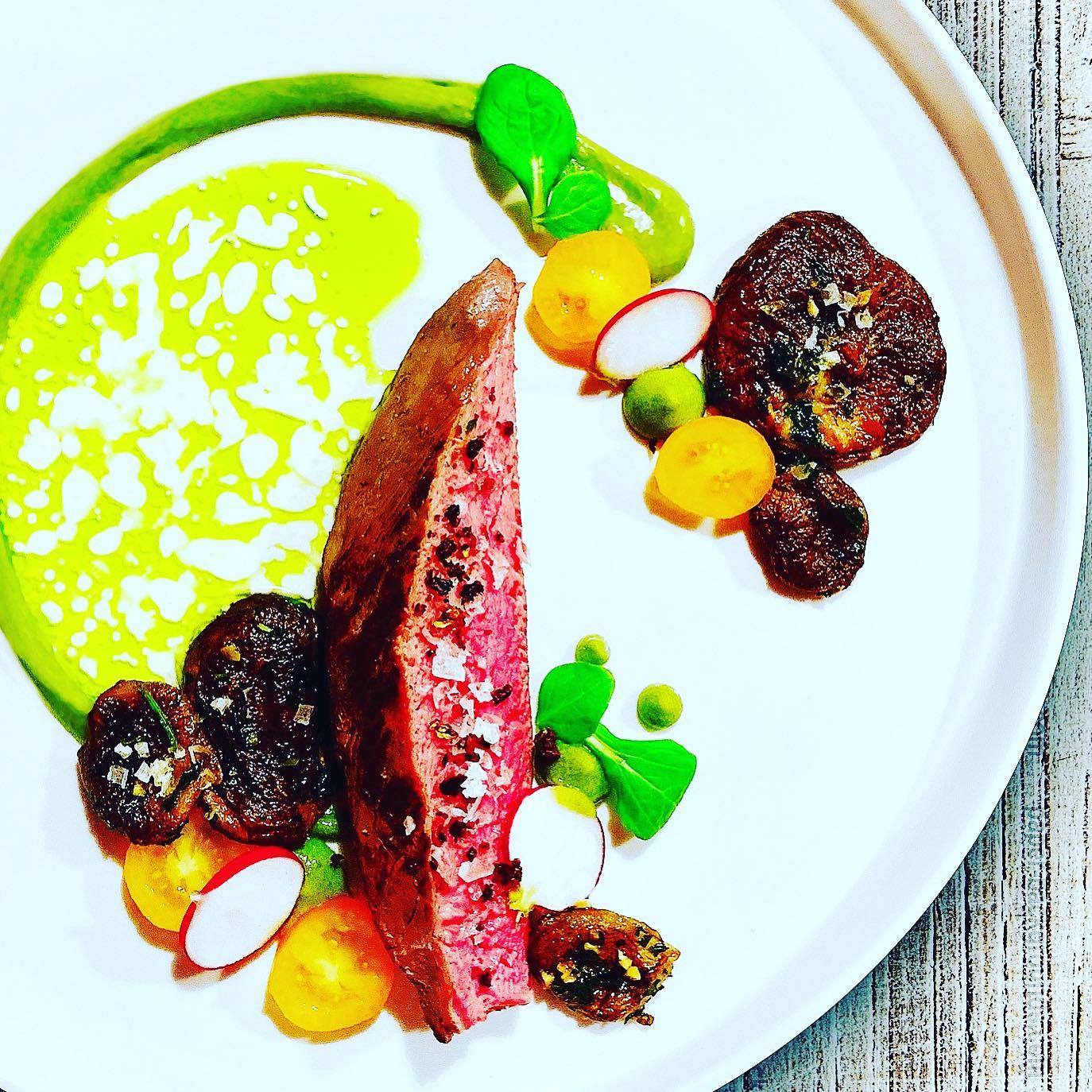
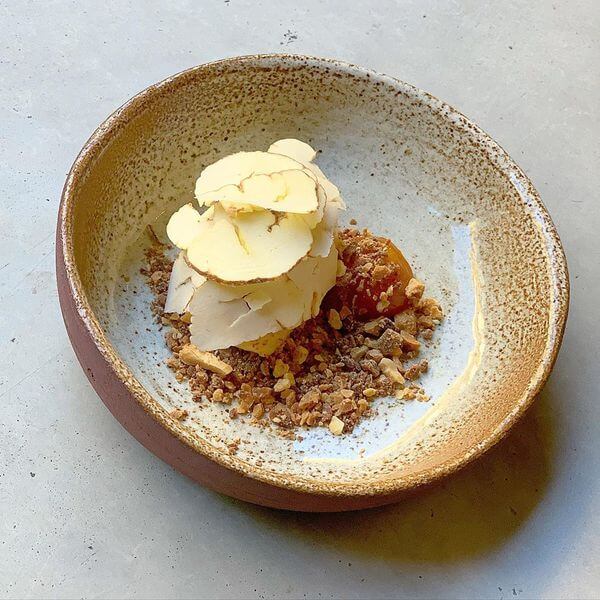
Great dishes with Doi seeds by some European chefs
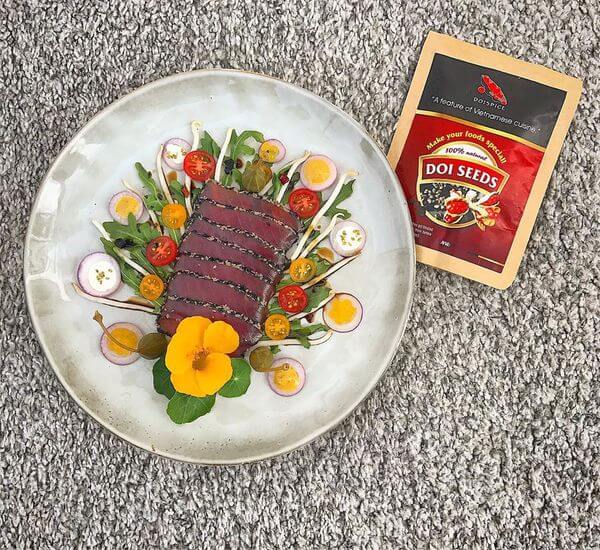
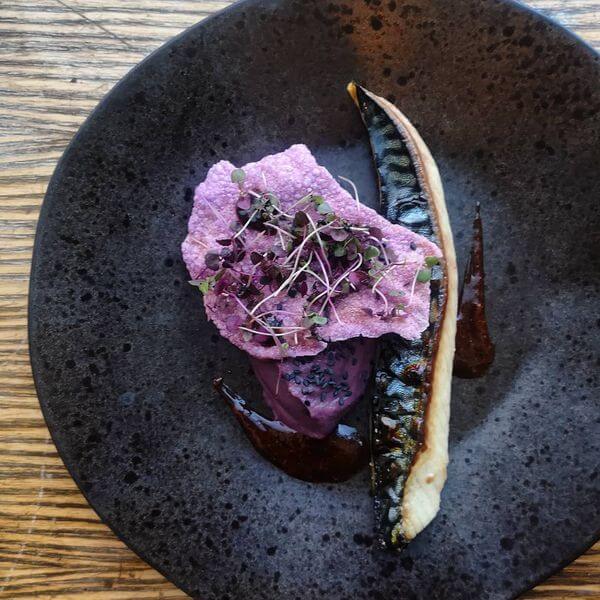
By Owen Morrice